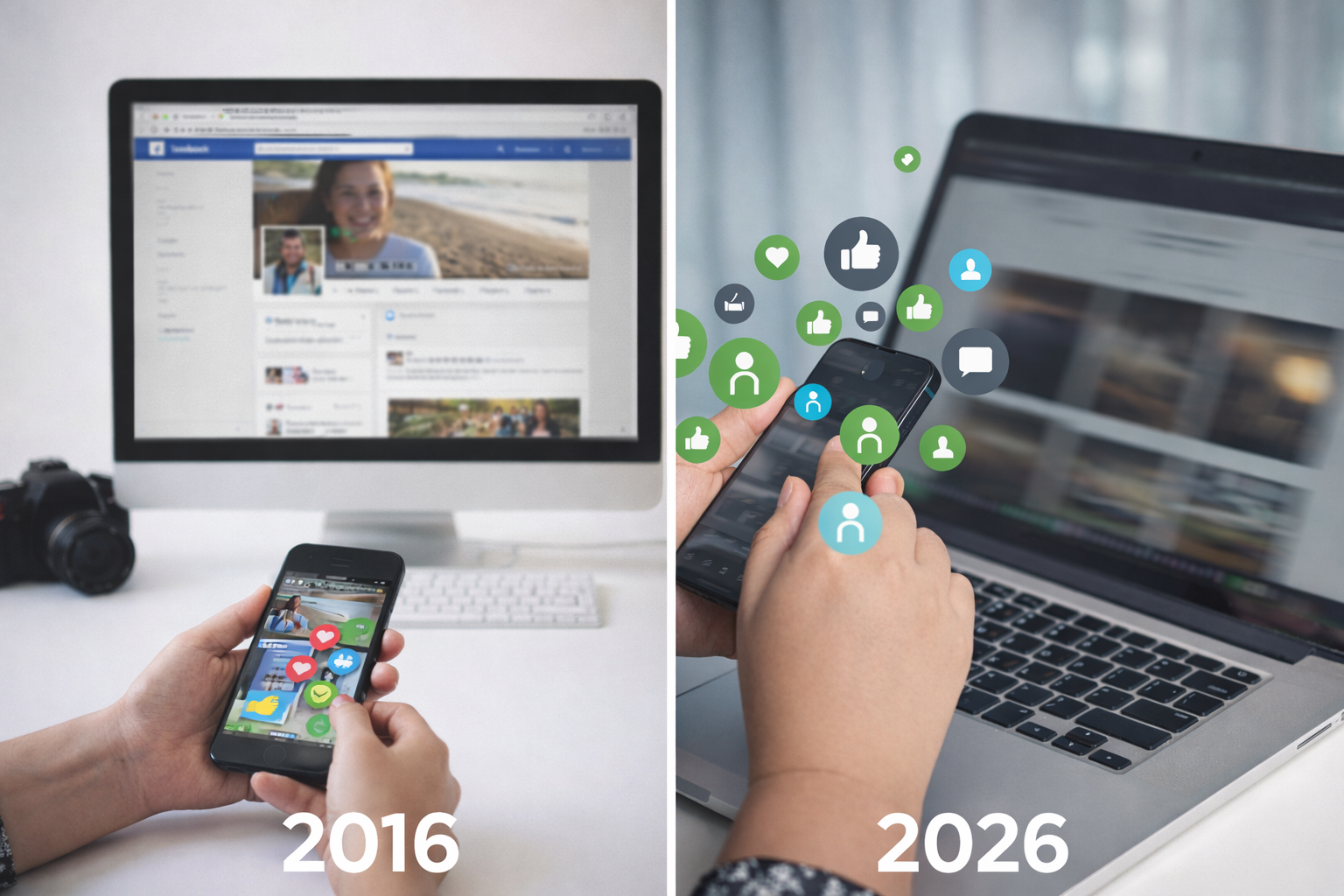
If you’ve been on social media lately, you’ve probably seen it: side-by-side photos from 2016 and today. Different hair. Different outfits. Different vibes. It’s playful, a little cringe (in a good way) and undeniably nostalgic.
But beyond the throwback fun, the 2016 trend highlights something bigger: how dramatically social media itself has changed in just a decade. And for brands, organizations and leaders trying to show up authentically online, those changes matter.
At MurphyEpson, we spend a lot of time thinking about not just what to post, but why, where and how it will land. This trend is a perfect opportunity to look at where social media has been, where it is now and where it’s headed next.
In 2016, social media felt more curated and less conversational.
- Instagram grids were carefully planned and highly filtered - carousels didn’t exist (see post from Feb. 2017), so users who curated their feed had one shot to grab their audience.
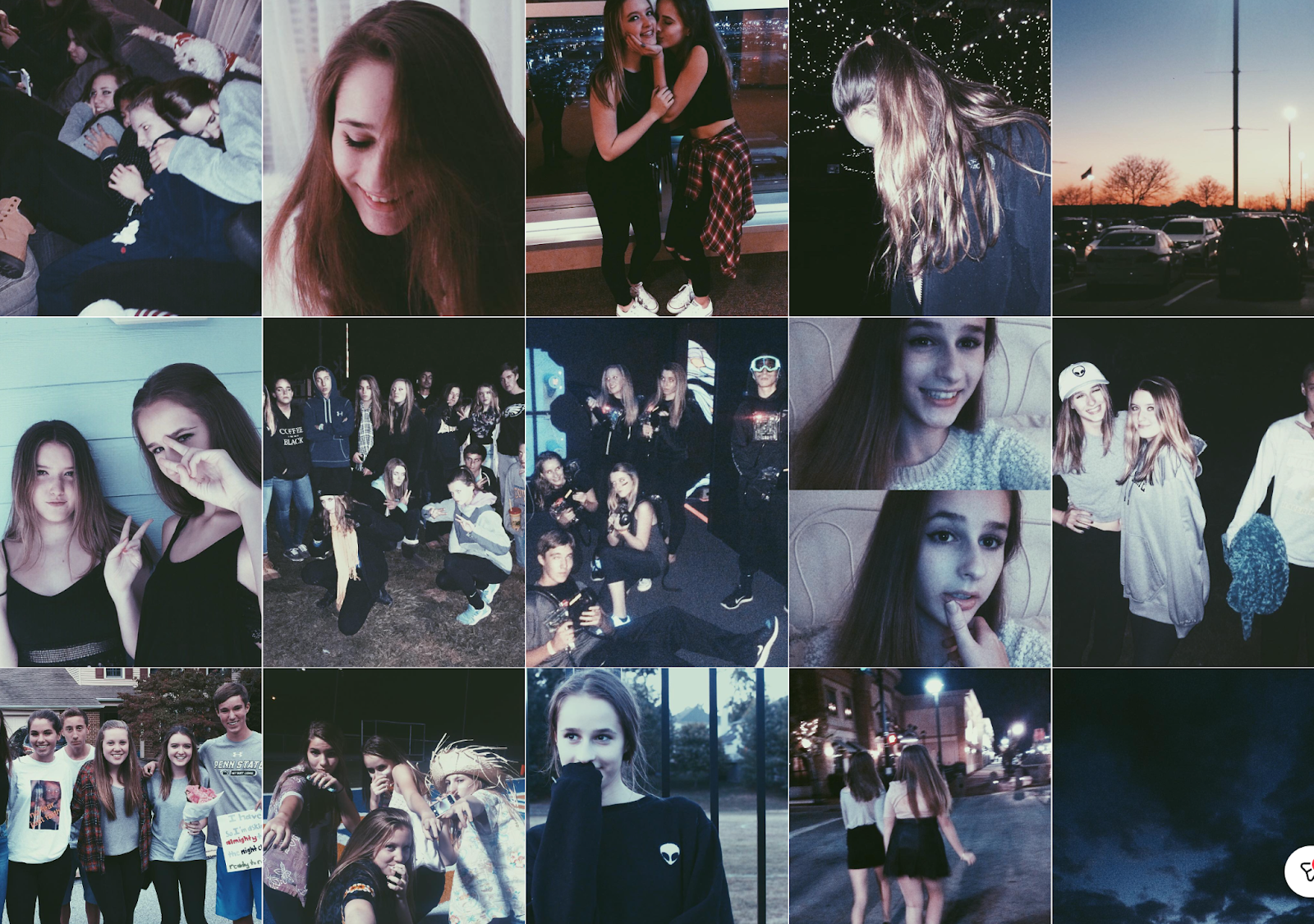
- Facebook was still the primary channel for brands and organizations to reach younger audiences.
- Video existed, but it wasn’t dominant – photos and links led the way
- Posting was often reactive rather than strategic. The algorithm didn’t quite exist as we know it now. Some users relied strictly on specific days and times to post because they knew when others would be online and when they would get the most likes. (The nostalgic rush of waiting until 6 p.m. to post is a photo from vacation is a feeling I will never forget!)
Brands aimed for perfection. Messaging was more promotional. Engagement mattered, but authenticity wasn’t the currency it is today.
Fast forward to today, and the landscape looks entirely different.
In 2026, social media is:
- Video-led, with short-form reels driving reach and engagement. Thanks, TikTok.
- Personality-driven, favoring real voices over overly polished copy. The more brands increase their social media use, the more often their audience gets sick of seeing their corporate and “brand safe” wording.
- Strategy-dependent, not something you “fit in” when time allows. It’s the cost of admission!
At MurphyEpson, this shift is exactly where we add value.
We help clients move from one-off posts to thoughtful content calendars that connect daily content to larger goals. We plan ahead so brands can show up consistently – and still feel timely.
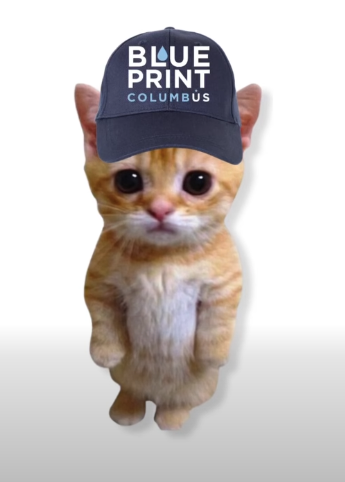
For our clients, we also lean heavily into reels, because that’s where attention lives right now and what the algorithm favors. One of our recent successes, Blueprint Kitty, showed just how powerful a simple, well-executed reel can be. With the right concept, pacing and tone, short video can humanize complex initiatives and reach audiences far beyond traditional channels.
On LinkedIn, we’re helping industry-leading clients use thought leadership to build credibility – sharing insights, perspectives and voices that spark conversation rather than just promote services.
Today’s social media rewards:
- Clarity over cleverness
- Consistency over virality
- Strategy over spontaneity
If the last 10 years taught us anything, it’s that social media won’t slow down; it will just evolve again.
Here’s what we’re watching as we think ahead to 2036:
- Even more immersive content, blending video and interactive formats
- Fewer platforms, deeper engagement, where trust and credibility matter more than follower counts
- Leaders as channels, with executives and subject-matter experts becoming primary storytellers
- Strategy as the differentiator, not access to tools or trends
We also know audiences will be wading through an immense amount of artificial intelligence (AI). This means authenticity will be crucial and a differentiator.
The brands that succeed won’t be the ones chasing every new feature. They’ll be the ones who understand their audience, stay flexible and invest in storytelling that adapts as platforms change.
The 2016 trend is fun – and we’re enjoying it, too. But it’s also a reminder that social media isn’t static. What worked then doesn’t work now, and what works now will look very different a decade from today.
That’s why at MurphyEpson, we focus on building systems (content calendars, video strategies and thought leadership frameworks) that can evolve alongside the platforms themselves.
Trends come and go. Strategy sticks around.
And if 2036 is anything like the last decade, we’re ready for it.


