Spring has a way of bringing infrastructure to the surface.
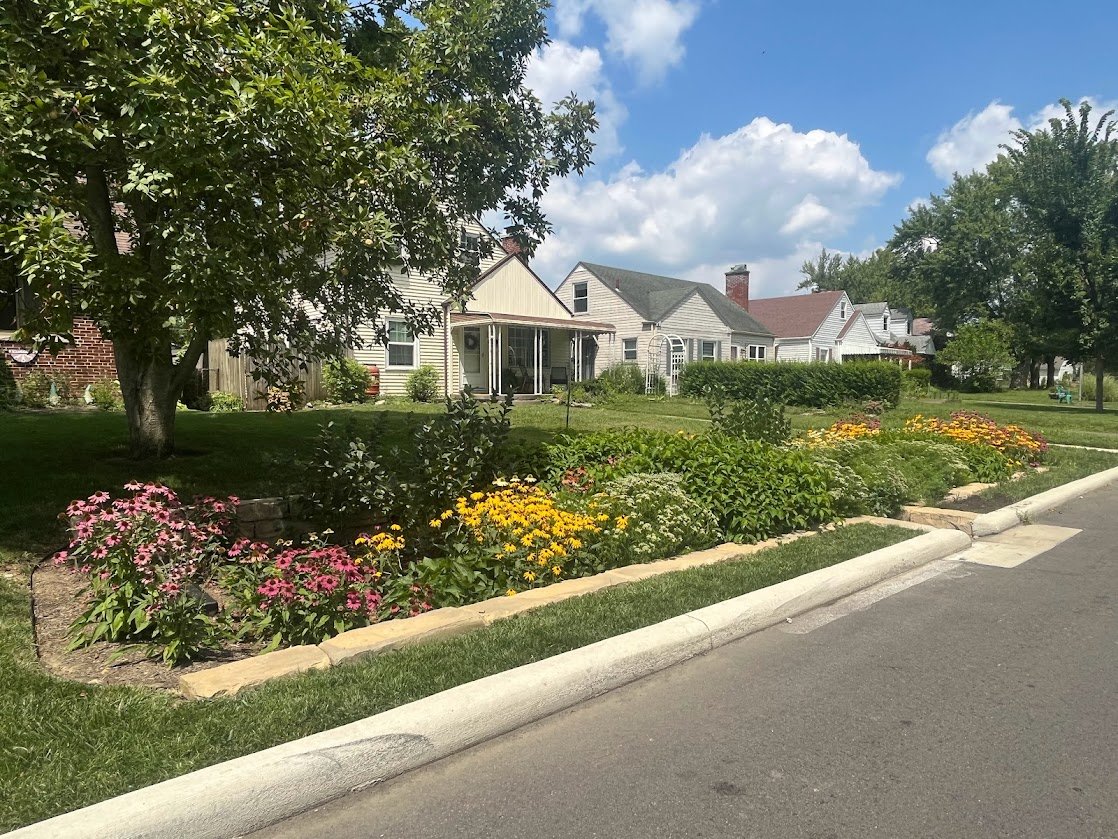
As the ground thaws and rain returns, rain gardens across Columbus begin to bloom again. What looks like a simple patch of native plants is actually part of a larger system – one designed to protect homes, improve water quality and strengthen neighborhoods.
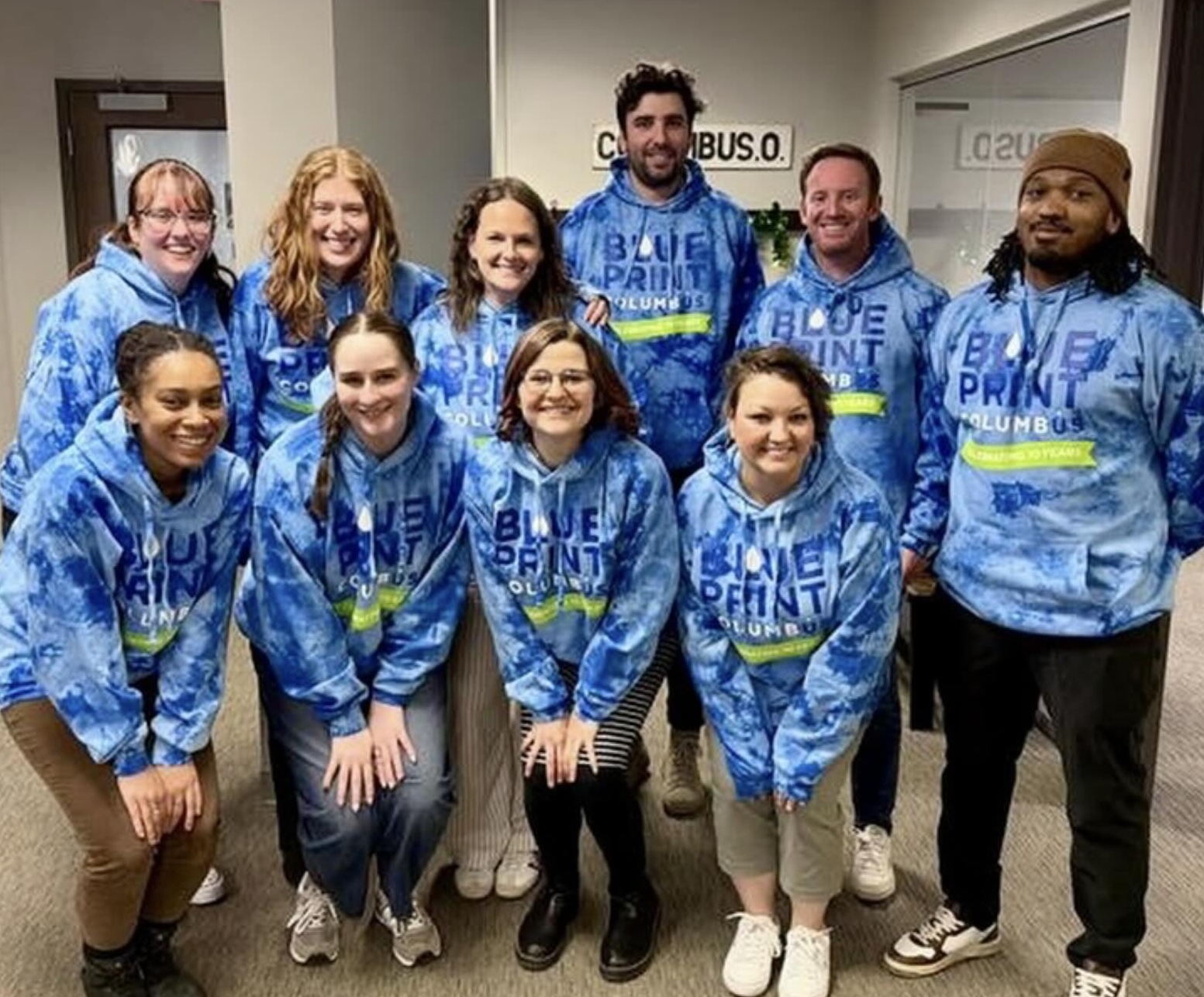
Since joining MurphyEpson late last year, I’ve started supporting Blueprint Columbus. One of the first things I noticed is how much of this work happens in plain sight, often without people realizing it.
So, what is Blueprint Columbus?
It’s an innovative way of eliminating sanitary sewer overflows while also investing in our neighborhoods and our local economy. Blueprint solves the problem of sanitary sewer overflows at the source by fixing damaged and deteriorating pipes. It also redirects stormwater to the street where pollutants can be filtered out by green infrastructure before flowing to our rivers and streams.
A big part of this is rain gardens.
These landscaped areas collect runoff from roofs, streets and downspouts, allowing water to soak into the ground naturally.
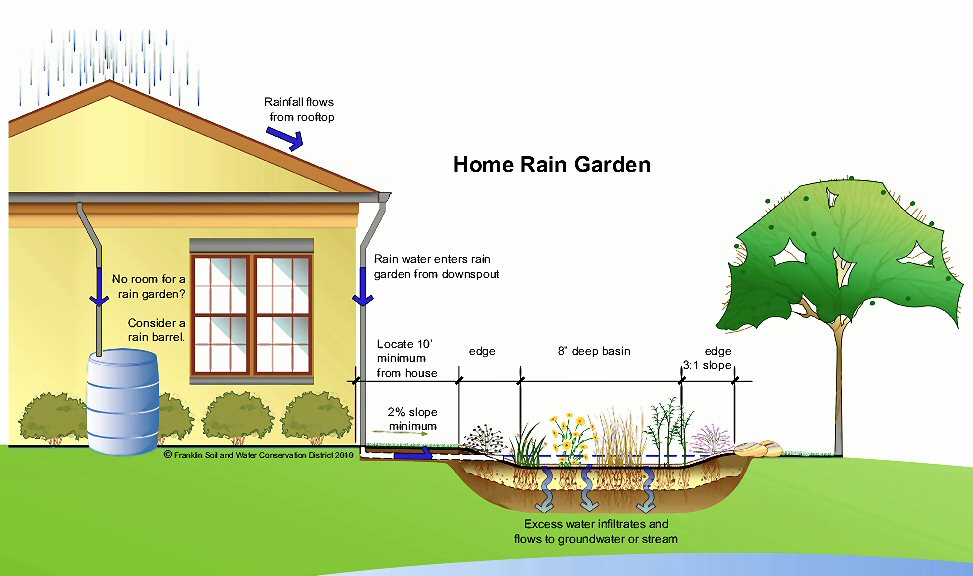
In the spring, they bloom. But year-round, they are working.
From a project management perspective, Blueprint Columbus is highly coordinated and community-focused. It requires alignment between engineers, contractors, city staff and residents – all while work is happening directly in neighborhoods.
What I appreciate most is how Blueprint connects infrastructure to daily life. It reduces risk for homeowners, improves our waterways and creates greener spaces in the process.
As rain gardens begin to bloom again across Columbus, they offer a simple way to see Blueprint Columbus in action – working with nature to manage water, right where it falls.
Learn more about Blueprint Columbus (and see the neighborhoods involved) here: blueprintneighborhoods.com.


