When we think about transportation infrastructure, we often picture the finished product: a new bridge connecting two states, a dedicated bus lane that improves transit efficiency or a protected bike lane that creates a safer way to travel. Behind every successful transportation project are countless conversations, partnerships and decisions that turn ideas into reality.
My biggest takeaway from this year’s Ohio Transportation Engineering Conference (OTEC): Success isn’t measured solely by the infrastructure we build but by the conversations and collaborations that make it possible.
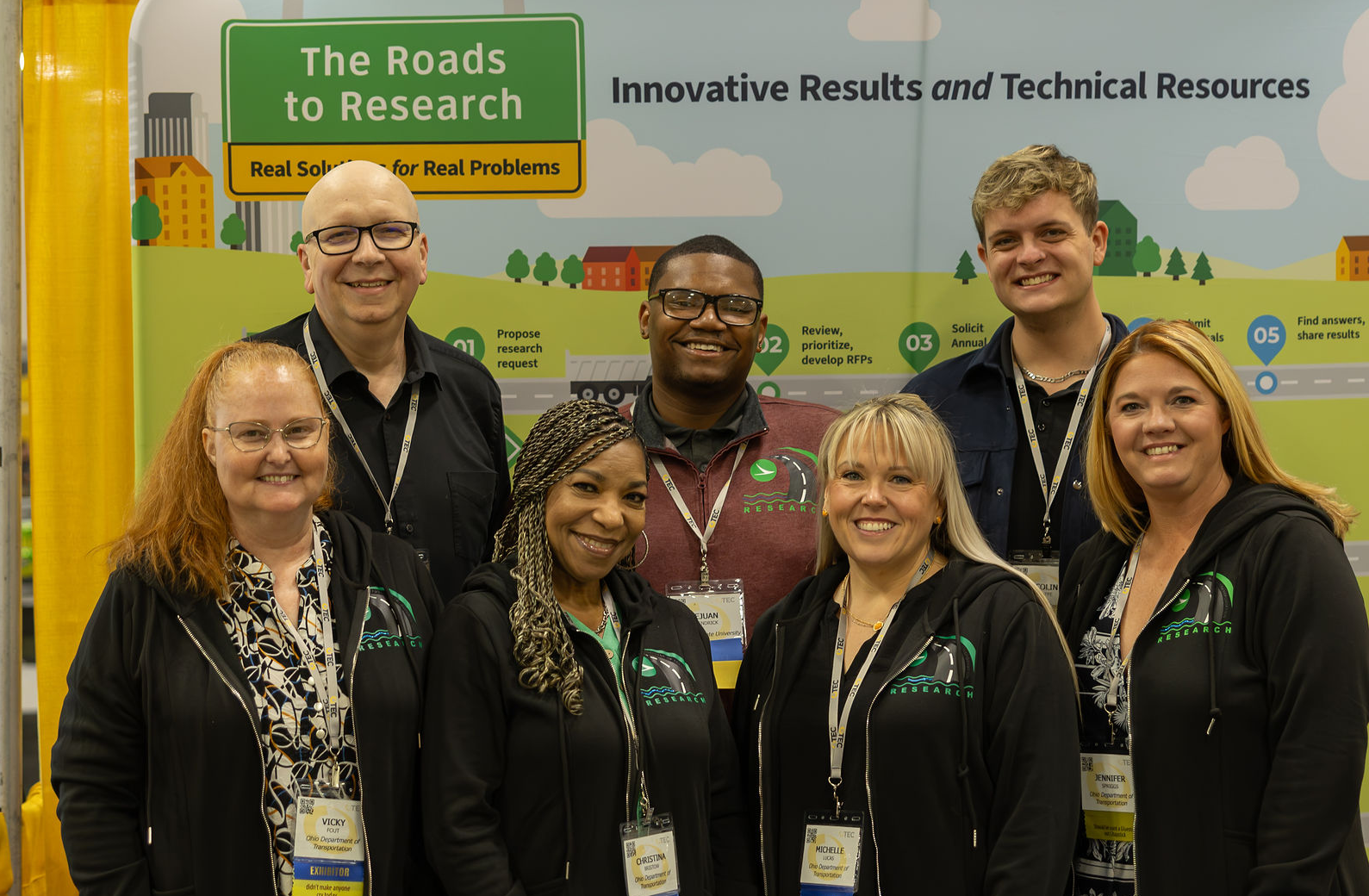
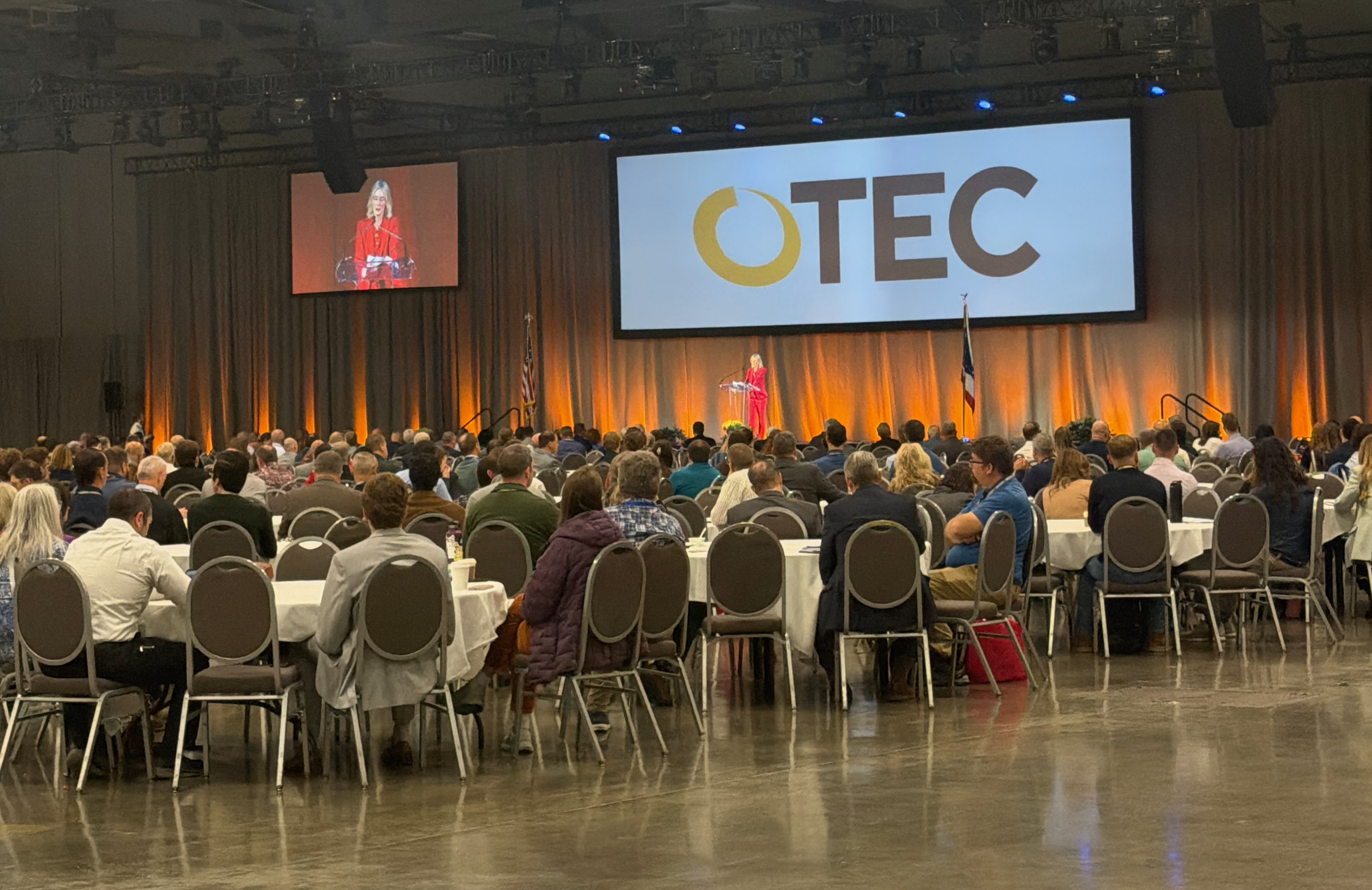
On Oct. 20 and 21, thousands of transportation professionals, engineers and industry partners gathered at the Greater Columbus Convention Center to share experiences, exchange ideas and discuss ways to move people and goods safely throughout Ohio. This marked my third consecutive year attending OTEC and it continues to be one of my favorite conferences, not just because of the happy hours that follow (though those are certainly a bonus), but because of the opportunity to reconnect with familiar faces from current, past and even upcoming projects. Each year, I walk away with a deeper understanding of the planning, design and coordination required to keep our communities moving.
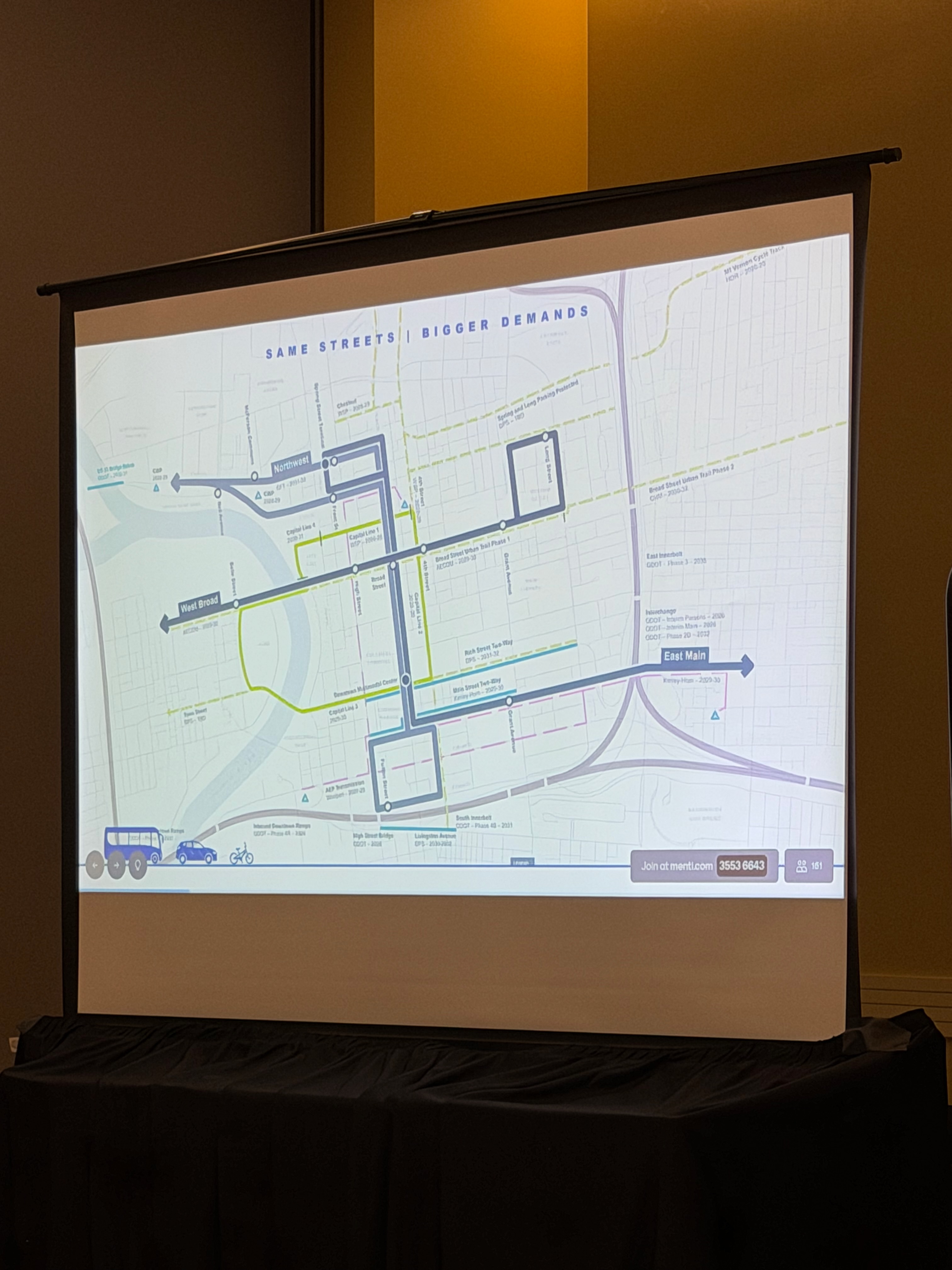
As multiple projects take shape across Downtown, communication among project teams and stakeholders is essential. Each project has its own goals, but decisions for one can directly affect another. The session, Efficiently Using Fixed Right of Way to Accommodate All Users, reinforced that when space is limited, collaboration becomes even more important. Ongoing conversations help align overlapping projects and create a transportation network that works together rather than a collection of individual improvements.
Collaboration took on a new scale during the Brent Spence Bridge Corridor Update. The panel highlighted the coordination required between Ohio and Kentucky to advance one of the region’s most significant infrastructure investments. One detail that stood out was the preservation of historic bricks from Longworth Hall, a reminder that even large infrastructure projects must consider the history and character of surrounding communities. Projects of this magnitude don’t succeed because of a single organization or a single decision. They succeed through consistent communication, coordination and a shared commitment to the outcome.
Two sessions, Transit Across Ohio and Roadway Video Review: Using Data to Review Safety, highlighted how sharing knowledge and perspectives can lead to better transportation decisions. During the transit panel, representatives from Columbus, Cleveland and Cincinnati discussed mobility challenges facing their communities, particularly the need to better connect growing suburban areas to urban centers. The roadway safety session offered a different perspective, exploring how traffic studies, roadway video and emerging technologies can inform decisions on traffic signals, transit signal priority and roadway safety. Both sessions reinforced an important point: Data and experience can help identify solutions, but collaboration turns those ideas into meaningful improvements.
The Creating Places session reinforced that transportation infrastructure should do more than connect destinations. It should enhance the experience of moving between them. The panel explored efforts to expand Ohio’s regional trail networks, including examples from Knox County and highlighted Phase 1 of the Cap Line project and its potential to transform the Downtown Columbus experience. These projects demonstrate how partnerships among organizations such as the Mid Ohio Regional Planning Commission (MORPC), counties and local stakeholders can create stronger community connections and more accessible public spaces. Whether expanding regional trails or reimagining Downtown Columbus, success requires a shared vision that considers the experiences of pedestrians, cyclists, transit riders and drivers alike. That kind of connectivity doesn’t happen by accident. It starts with conversations that bring different perspectives together.
The conference keynote speaker, Nate Scott, delivered a meaningful message about the importance of committing to something larger than ourselves. Collaboration means understanding the purpose behind the work and recognizing that the outcome affects far more than any individual project team. Whether we’re discussing safer intersections, more reliable transit or new connections between communities, the ultimate goal is to improve how people experience and connect with the places around them.
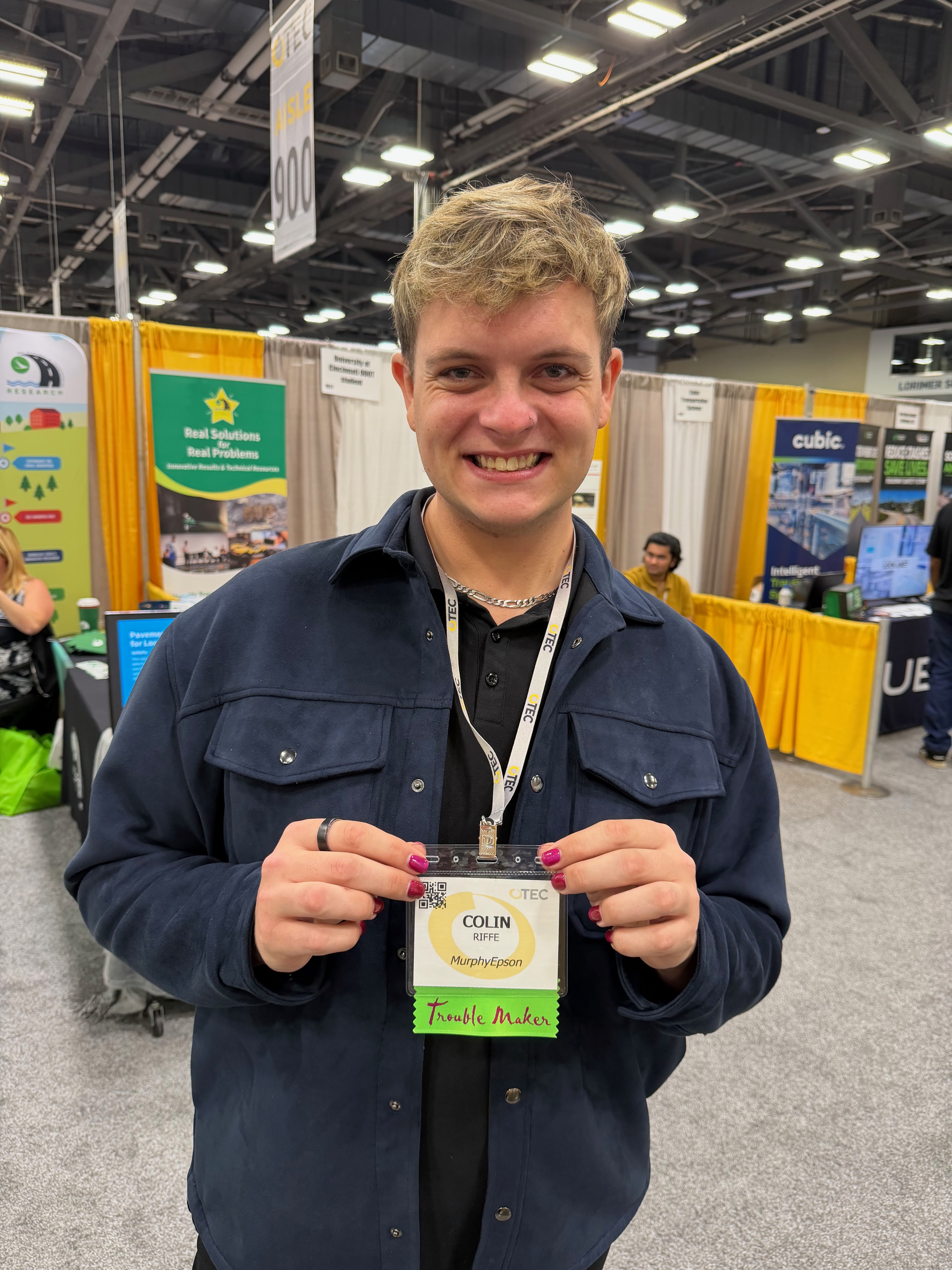
I’ve come to appreciate that some of the most valuable moments happen outside formal presentations. They’re the hallway conversations, the familiar faces you reconnect with between sessions and the introductions that turn into future partnerships. Working in public engagement and communications, I see firsthand how important it is to bring people into the conversation, connect different perspectives and build a shared understanding of what we’re working toward.
Transportation projects involve competing priorities, limited resources and decisions that shape communities for generations. No single person, agency or organization has all the answers. That’s why conferences like OTEC matter. They create opportunities to exchange ideas, strengthen relationships and continue conversations that advance meaningful projects.
At the end of the day, transportation is about connecting people. Creating those connections starts with the conversations we have with one another.


