
Let's be honest: a work trip to San Diego isn't a hard sell. I’m someone who chases experiences and a transportation conference in the sunshine city checked more boxes than you’d think.
Earlier this month, I headed out west with three of my teammates for the American Association of State Highway and Transportation Officials (AASHTO) TransComm conference. It’s a room full of people who make road projects make sense to the public, and every one of them has a story about the meeting where it didn’t.
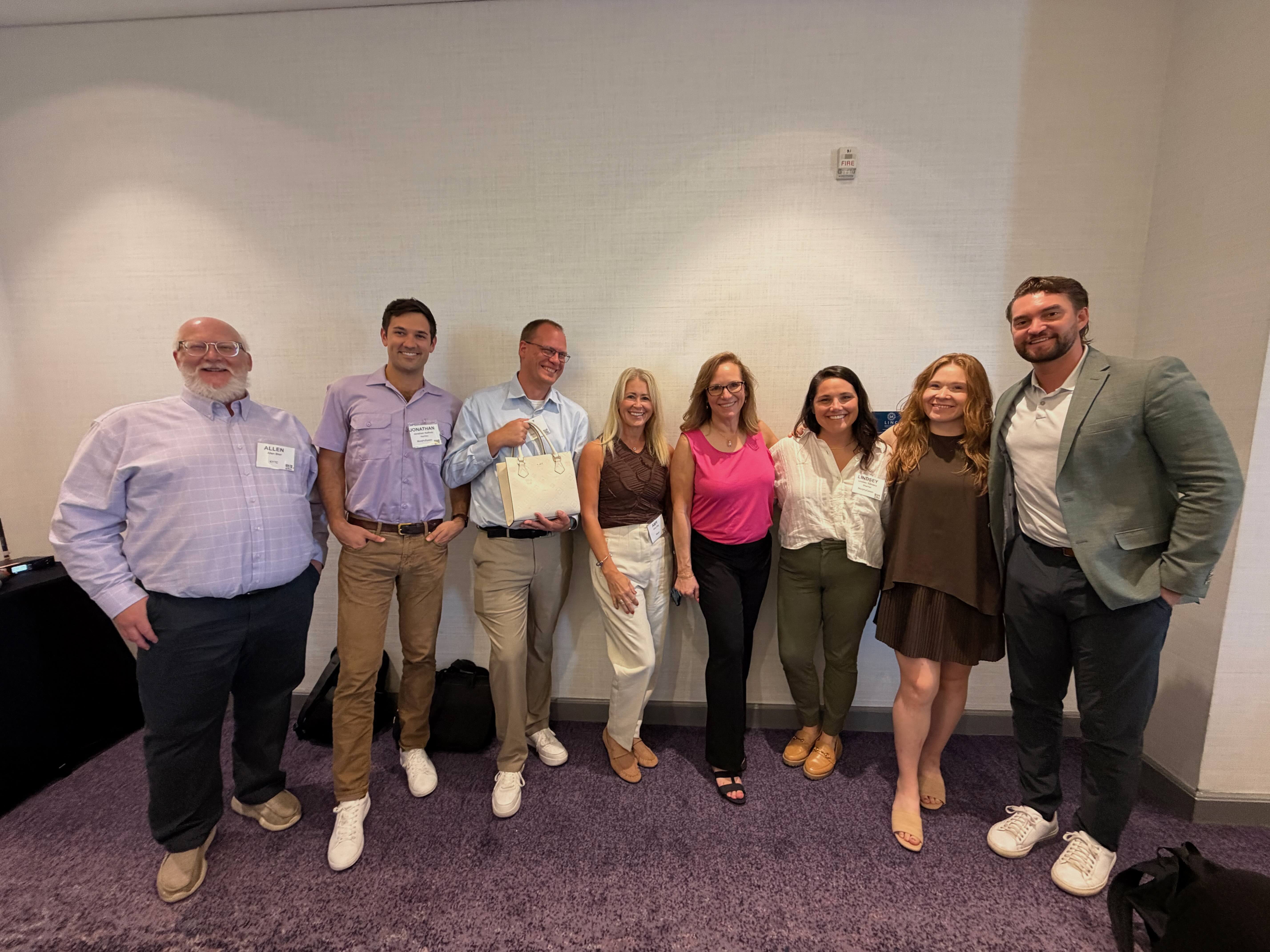
By the end of day one, a pattern was hard to miss. Ohio interstate, California roundabout, Maryland campaign. Doesn't matter. Everybody is chasing the same things: earning public trust, explaining complicated projects, reaching the right people and keeping communities in the loop.
Here's what we brought home.
1. Sometimes the best move is to stop talking. A California Department of Transportation team ran into serious pushback on a proposed roundabout. More safety data didn't fix it. More videos didn't fix it. What worked? Sitting down with residents one-on-one and actually listening.
That one hit home. It's tempting to treat resistance as an information problem and just explain harder. But a lot of the time, people aren't missing the facts. They're missing the feeling that someone heard them.
Author Simon Sinek put it well: “Hearing is listening to what is said. Listening is hearing what isn’t said.”
In public engagement, that’s most of the job.
Crossed arms, a long pause, the question someone almost asks. That’s where the real concerns live. Our President & CEO Marie Keister is the best in the business at reading them. She can walk into a public meeting and read the room before anyone says a word, and she’s taught our whole team to listen for what’s underneath the questions.
2. Let the community tell the story. Some of the most compelling content we saw all week didn’t come from agency folk like us. It came from neighbors.
The Indiana Department of Transportation’s ProPEL Indy study set out to meet people where they are: geographically, culturally and emotionally. Over more than two years, the team put neighborhoods, businesses and community organizations at the center, used short-form video and social to tell the study’s story and handed local partners ready-to-use materials to spread the word.
People trust people who sound like them, bottom line. Finding those voices takes more legwork than writing a press release, but the juice is worth the squeeze. That’s why we’re always looking for the human story inside the technical project. Whatever the channel, the goal is the same: help people understand what’s happening and why they should care.
3. Stay curious. My colleague Jonathan's favorite session came from Hannah Wright with the Arkansas Department of Transportation. She told a story about a road engineer who wasn't exactly eager to talk. So she didn't lead with her ask. She asked about his work. The more they talked, the more he opened up.
Very Ted Lasso: "Be curious, not judgmental."
It also reminded me of a book I've been reading lately, Be Yourself at Work by Claude Silver, Chief Heart Officer at VaynerX. Silver builds the book around three ideas: emotional optimism, emotional bravery and emotional efficiency. Hannah's story checks all three boxes. She stayed hopeful, leaned into a tough conversation and reached clarity faster by treating him as a person first.
Curiosity makes us better partners, simply put.
4. Sometimes you have to say it differently. One of my favorite sessions of the week came from the Maryland Department of Transportation Motor Vehicle Administration and its Slow the Fast Down campaign. Picture "Slow the F Down" in bold, with the "ast" so faint you almost miss it. You get the point.
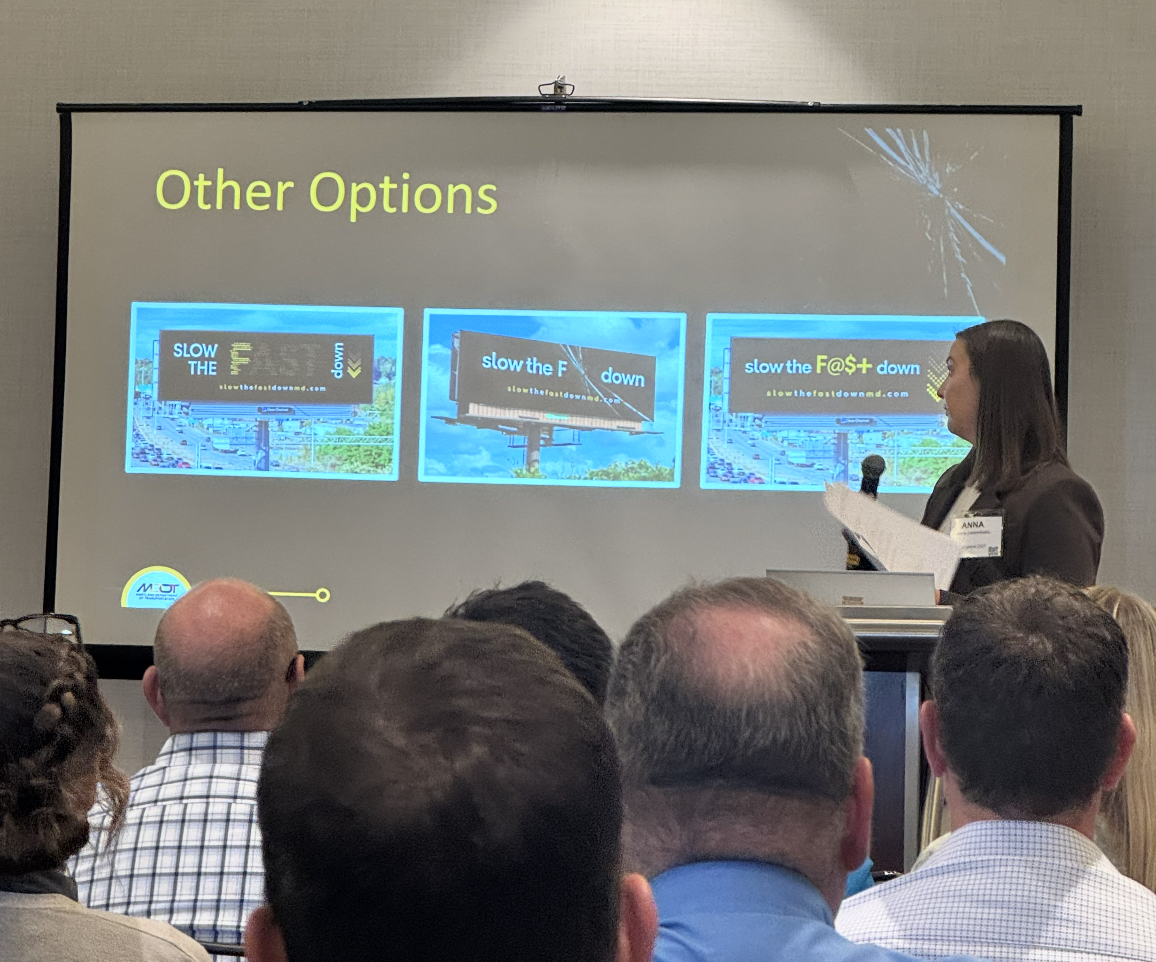
The name gets a laugh, but the story behind it is personal. The team had recently lost two coworkers in work zone crashes. After that, they were done worrying about what people would think of the message. The only thing that mattered was getting drivers to slow down. From there, they walked us through the data, the insights and how it all turned into the creative.
That stuck with me. When the work gets personal, the niceties go out the window. It’s like watching a friend step off the curb into traffic. You don’t politely say “excuse me.” You yell. Sometimes the message that gets through is the one that’s a little louder than people expect.
5. You can't build trust in the middle of a crisis. The biggest theme of the week was consistency. Agencies talked about prepping crisis materials before anything goes wrong, keeping media relationships strong and staying in touch with residents through projects that last years.
It was great to see some familiar faces bring that to life during a session about the Brent Spence Bridge Corridor Project. Our friends Matt Bruning, Press Secretary at the Ohio Department of Transportation and Mimi Rasor, President of Rasor Marketing Communications, and their colleague Allen Blair, Deputy Director of Public Affairs at the Kentucky Transportation Cabinet. They shared how Ohio and Kentucky coordinate across state lines with consistent messaging, trusted spokespeople and creative storytelling on one of the biggest infrastructure projects in the region.
Trust comes from the everyday stuff: timely updates, following through, prepping for the hard conversations and showing people their input matters.
Bringing It Home
The real thread of the week? The people who stood out weren't the ones with the slickest slides. They were the ones who listened first, told the human story and showed up as themselves. They also had patience.
Conferences like this keep us sharp and send us home with fresh ideas for our partners. Would we take a little more San Diego sunshine? Sure. But we're ready to put all of this to work right where we know the community best: at home.


