
There is a particular kind of quiet that falls over a career when you decide, on purpose, to step away from it. Not the quiet of a vacation, where you know the inbox will still be there a week later. The quiet of genuinely not knowing when, or whether, you will be back.
I had built a career that moved fast and rewarded people who could think on their feet, years across financial services, tech, public transportation, engineering, energy and education – industries where the stakes rarely waited for a communications plan to catch up. Customers who had just survived a natural disaster needed to know, immediately, how to access their money. Teams racing to beat competitors to market needed to release a product before it was fully ready. A firm that had just lost several of its top leaders in a devastating crash needed to reassure a shaken workforce, right away.
By my late 50s I had a reputation as someone who could walk into a chaotic room, find the signal in the noise and get a thoughtful, strategic plan and message going before someone else told your story. What I did not fully appreciate at the time was that each of those jobs was quietly training me for what came next. The day my parents, who lived two hours away, needed more than a check-in phone call on Sundays.
The Job Nobody Trains You For
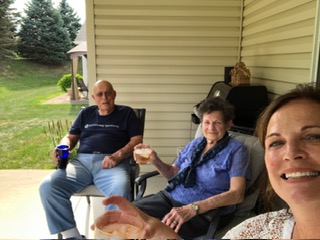
I am, by nature and experience, a fixer. Give me a crisis and I will build you a plan, a timeline and a communications strategy before the coffee gets cold. So, when it became clear my parents needed real, sustained support, I did what I always do. I showed up. My siblings did the same, each of us stepping in where we could, none of us doing it alone, all of us doing it because it needed doing. That did not mean we always agreed.
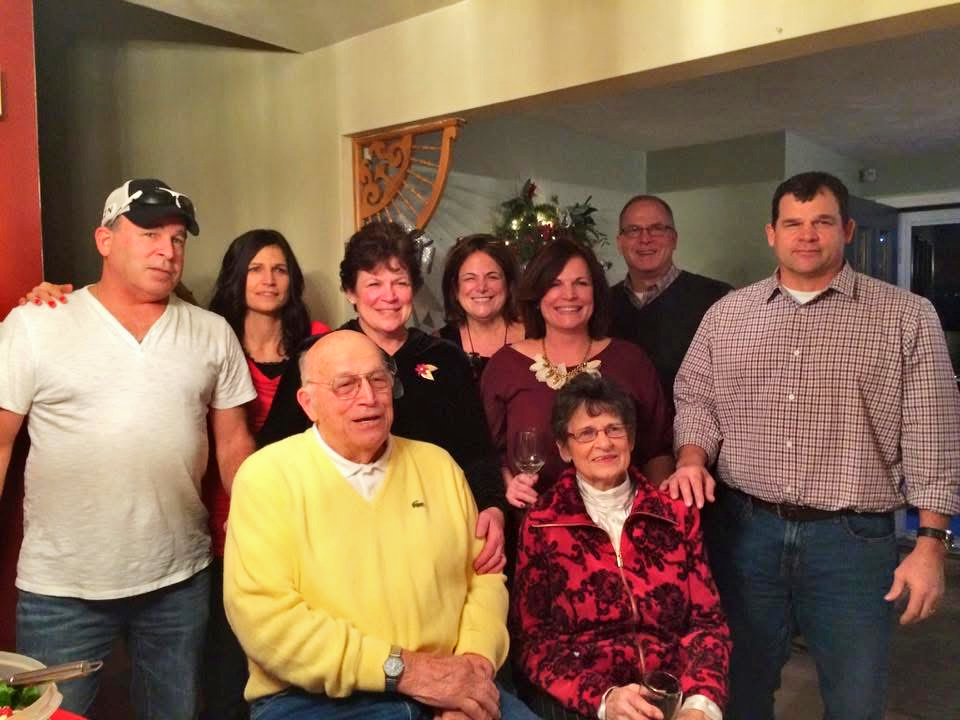
I remember one particularly tense stretch after my mom went into hospice, when seven adult children could not agree on next steps for her medication. Keep the vitamin D or drop it. Renew the flu shot or skip it. Keep the albuterol going for her asthma flare-ups or let it go. I did what a couple of decades of crisis work had trained me to do: find the person in the room with the most relevant expertise. Listen. Then discern. I met with the doctor and poured out the ask. "Look, we all have strong and differing opinions, so help us out. What would you do if it were your mom?" Whatever she said became "the plan," and it turns out seven strong personalities can rally around a plan fast once it belongs to someone other than a sibling.
My dad ran a slightly more democratic operation. When it came time to decide whether he would accept hospice care, a move he likened to “throwing in the towel”, he insisted all seven of us vote. When the vote did not go his way, he called for a revote within twenty-four hours, apparently on the theory that we might have changed our minds overnight. We did not. We voted again anyway, with tears and laughter in about equal measure. Not surprisingly, we landed in the same place, just with everyone a little more ready to be there.
What nobody tells you is that this kind of crisis isn’t resolved on the timeline you control. It unfolds over several years that ask more of you than almost any client engagement I have run. There is real joy in it, more than I expected. There is also a kind of grief that starts long before anyone actually dies, the slow kind that arrives in stages: the day you move them out of the house your dad built and where they raised you, the day your parent stops driving, the day the nursing home becomes not a possibility but the plan. It is the quiet emotional work you do long before the final goodbye. It’s heavy, but also sacred.
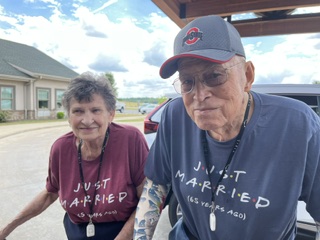
My parents both lived into their early 90s, and each spent their final stretch, somewhere between six months and three years, in nursing home care. Through it all, my siblings and I were deeply aware that we were doing work that mattered. Remarkably, we’re all still good friends, which after years of shared, high-stakes decision-making is its own small miracle.
Reassessing My Identity and Putting My Passions to Work, Differently
I will admit, with the humility that only comes after the fact, that hitting pause on a career I had worked hard to build wasn’t easy. I didn’t love giving up the title, the routine or the sense of being indispensable, a feeling that had unknowingly become part of my identity. But never once have I regretted the decision, because it was the right one for what I needed to give at the time and what my family needed to receive.
Here is the part that will not surprise anyone who knows me professionally: I just couldn’t simply be a daughter in those rooms. I became, without really meaning to, a student of the system. I learned the org chart of a skilled nursing facility the way I once learned my way around companies. I figured out who actually makes the decisions, who influences them, who you need in your corner before a difficult conversation, who to loop in before, not after, something goes wrong, and how to manage expectations for whatever came next, because something always did.
I always got a little chuckle pulling in after the two-hour drive, when an aide would spot me and say, with a flash of panic, "Hi MJ, we were just about to go in and wake her up." My siblings and I had, without ever discussing it, become the always-on quality control team for their care, dropping in unannounced, comparing notes and asking the same follow-up question three different ways until we got a consistent answer. It wasn’t so different from the inspection and data measurement that governed my career in corporate America, just with higher stakes and no dashboard.
I sat across from facility directors, heads of nursing, social workers, hospice providers and more aides than I can count, and I noticed the same dynamic I have seen in every organization I have ever worked with: those who got ahead of a difficult update instead of waiting for someone to demand answers, earned trust and kept it. The ones who went quiet when things got hard lost it, with no assurance of ever earning it back.
What Got Me Through It
Honestly, it was a lonely and sad place to be at times, and one I sometimes wondered if I'd ever climb out of. I leaned on family and a few close friends, while mourning the long-forgotten friendship of so many work colleagues who had also become like family. I found myself leaning into the spaces where my own gifts still had somewhere to go: continuing my service on a nonprofit board, quiet ministry time with women at a nearby prison, respite and encouragement at a small chapel downtown, and even painting a birdhouse just to prove to myself my creative spirit was still alive and waiting to be seen.
I kept a copy of Morgan Harper Nichols' All Along You Were Blooming close by, and on tough nights, a single page of those short affirmations was enough to remind me I was still becoming something, not just holding everything together. On the drives back and forth to see my folks, I leaned on music the way I always have — NIKI's "Split" when I felt spread too thin and Lauren Daigle's "Be OK" for comfort in the storm. Looking back, I can see now I was giving myself permission to "just be."
Back on My Own Terms
When I started thinking seriously about returning to work, I wasn’t looking for just any old spot. I had spent years proving to myself, in the hardest way possible, what I already knew about my own judgment, resilience and capacity to manage complexity under pressure. I wanted a place that would put that experience to work rather than ask me to leave it at the door.
One evening, I texted an old friend, the CEO of a local agency. Our kids had come up through Boy Scouts together and she and I had stayed threaded together over the years with similar career paths, having even worked at the same organization at different points in our careers. This was not a resume dropped in answer to a job posting; it was a soft outreach to a respected friend and trusted colleague and someone I had talked with more than once over the years about being part of her team. Always knowing it had not been the right time.
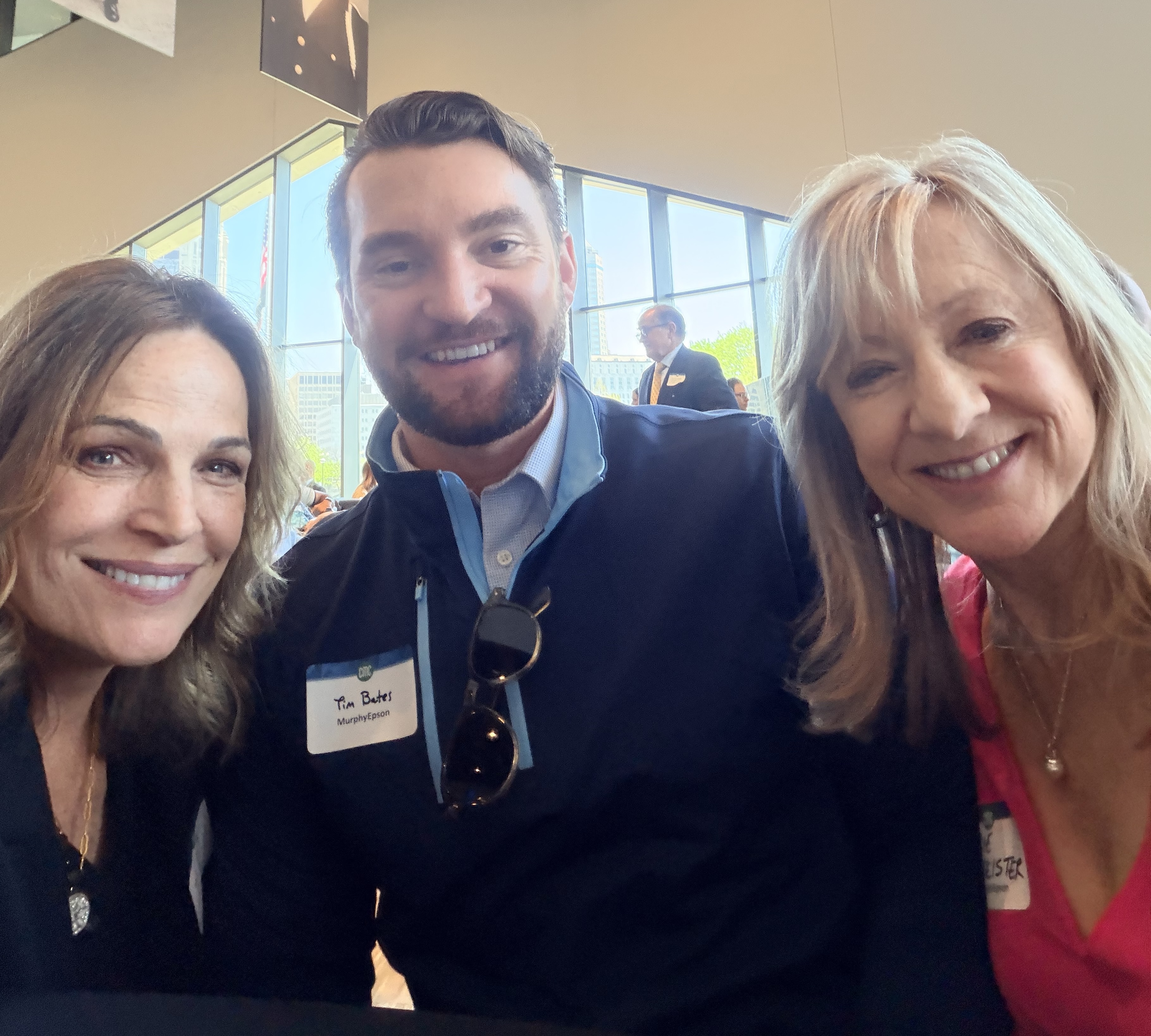
As it turned out, now was the right time. At MurphyEpson, I’m a senior strategist doing the work I’ve honed over decades with the addition of the life experience I had just lived through. The stakes for a client fighting a wave of media misinformation or building a multi-channel engagement strategy fast are different from the stakes for a family trying to get a straight answer about a parent's care plan. But the instinct required is the same: show up early and often, tell people the truth in plain language and don’t let the loudest voice in the room become the only voice in the room.
Today's public affairs landscape rewards this kind of discipline. Social media has made it easy for a rumor to outrun a fact by hours, and a client who waits to respond is already playing defense. The organizations that fare best treat communication – in all its channels and forms – as a proactive strategy rather than a reactive scramble; the same lesson I relearned watching my parents' care needs shift, where the goal was always to get ahead before the ground moved again.
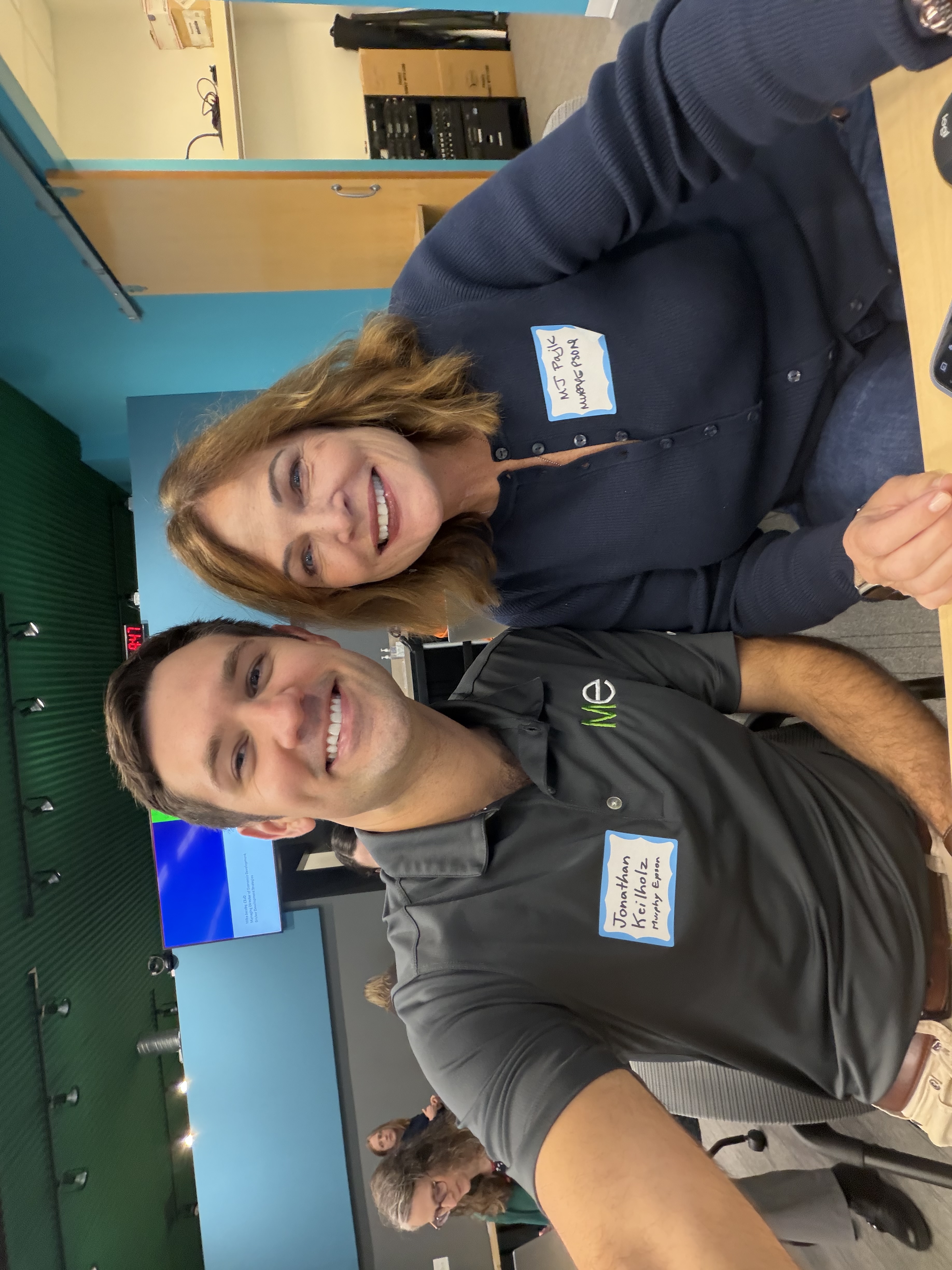
What was icing on the cake was what I found at MurphyEpson. A team with skin in the game, no different than my own siblings. One that cares, is client-focused and is all about team. The adage “team over me” has never felt more literal, since we often shorten MurphyEpson to “em-EE” or ME. It’s something I’d hungered for in every organization I ever worked with, and luckily, I found it again in what is likely to be my last career move.
I’m pretty sure I wouldn’t recommend a two-year detour into elder care as a professional development strategy. But I wouldn’t trade what I gained during that time. I came back with more to give than what I left with, in a place that feels like right where I’m meant to be.
To anyone weighing a similar pause, know this. The work comes. The passion for it reignites. All in the pursuit of ME.


